

Breast Reduction Procedure
Learn what happens on the day of your breast reduction surgery, from check-in and anesthesia to what happens during the procedure.

What to expect on the day of your breast reduction
Surgery day is here. You’ve prepared, you’ve planned, and now it’s time. Most patients feel a mix of excitement and anticipation, which is completely normal. The good news is that breast reduction surgery at our Connecticut practice follows a smooth, predictable process from start to finish.
This page walks you through exactly what happens, so there are no surprises. From the moment you arrive at the facility to when you head home a few hours later, the team is with you every step of the way.
At a glance
Surgery Time
2-3 hours
Outpatient
You go home the same day
Anesthesia Type
General Anesthesia
Incisions
Hidden in breast folds
Your day in Summary
Every patient’s schedule is slightly different, but here’s a general idea of how the day flows. Times are approximate and based on a typical morning surgery.
Arrive at the facility
Check in at the front desk, show your ID and insurance card, and sign any remaining paperwork.
Pre-op preparation
Change into a surgical gown as the nursing team starts their work and gets you all settled in.
Meet your surgical team
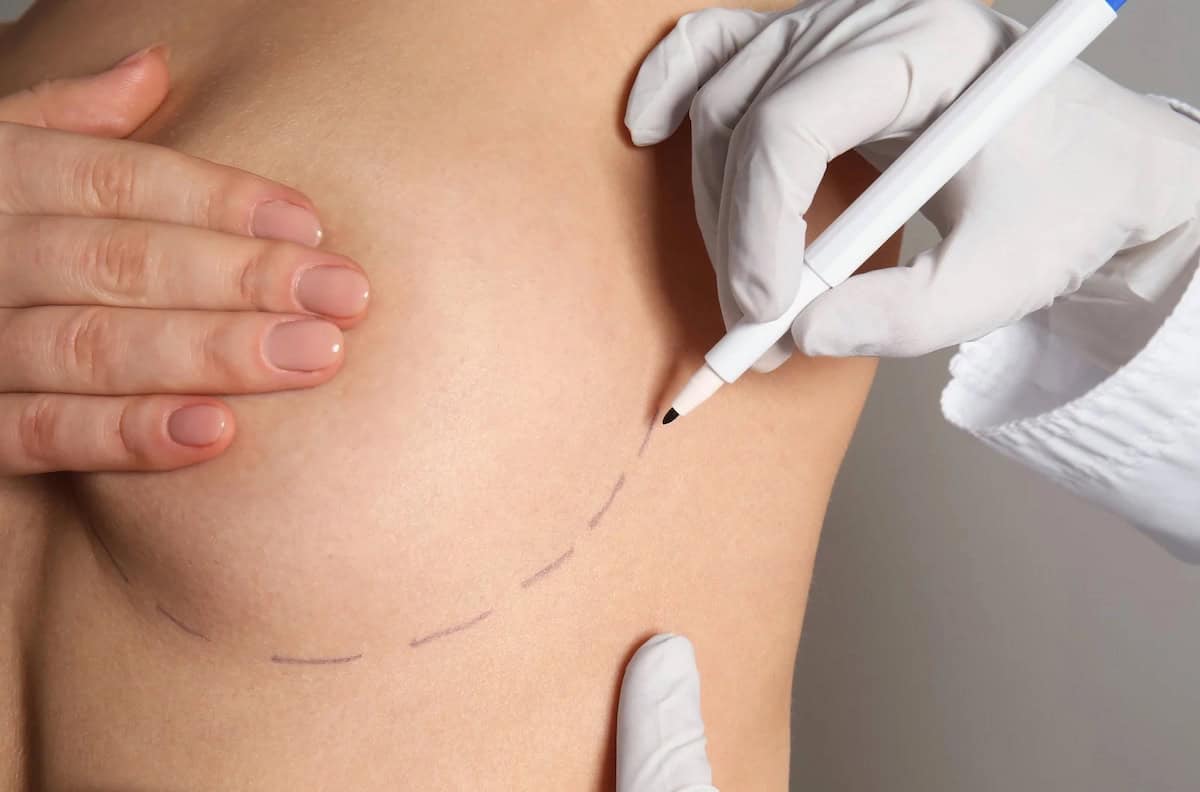
Dr. Reilly draws surgical markings on your breasts to help prepare for surgery. The anesthesiologist and surgical nurse introduce themselves and review the plan.
Surgery begins
You’re brought to the operating room. You will be put under general anesthesia, and the procedure will start once you’re fully asleep.
Surgery is complete
Dr. Reilly finishes the procedure. You’re moved to the recovery area with dressings and a surgical bra already in place.
Recovery room
You wake up as the anesthesia wears off. The nursing team monitors you, manages any pain or nausea, and makes sure you’re stable.
Discharge
The team reviews your instructions with you and your driver. Prescriptions, wound care, and your first follow-up are all confirmed. You then head back home.
Times are approximate and will vary based on your specific surgery time and the complexity of your case. Our Connecticut Breast Reduction Center team will provide your exact arrival time before surgery day.
Arrival and check-in
You’ll arrive at the surgical facility about 30 to 60 minutes before your scheduled procedure time. This window allows for paperwork, changing into a gown, and getting settled before Dr. Reilly is ready for you.
Registration
The front desk team will check you in, verify your information, collect your ID and insurance card, and have you sign any remaining forms. This usually takes about 10 to 15 minutes.
Pre-op area
A nurse will take you back to the pre-operative area where you’ll change into a surgical gown and store your personal belongings. The nurse will check your vitals, and you will then be brought into the operating room.
Meeting your surgical team
Before you head to the operating room, several members of your surgical team will come talk to you. Each person has a specific role in keeping you safe and comfortable.
Dr. Reilly
He will answer any final questions, review the plan one more time, and draw precise surgical markings on your breasts.
Anesthesiologist
The anesthesiologist then reviews your medical history, explains the anesthesia plan, and monitors you throughout the entire procedure.
Surgical nurse
The nurse will introduce themselves, explain what to expect in the OR, and confirm your identity, procedure, and allergies one final time.
During your breast reduction procedure
Once you’re under general anesthesia, the surgery will begin. The procedure typically takes two to three hours, depending on the complexity of your case and the technique being used. Here’s what happens step by step.
Making incisions
Dr. Reilly follows the precise markings he drew earlier. The incision pattern depends on the technique selected during your consultation. The most common is the anchor pattern, which includes incisions around the areola, vertically down to the breast crease, and along the fold beneath the breast.
Tissue removal
Excess breast tissue, fat, and skin are carefully removed. The amount removed is measured and documented. If you’re using insurance, this documentation is part of the medical necessity record.
Reshaping breasts
The remaining tissue is sculpted into a smaller, more proportional shape. This is where the artistry of the procedure comes in. Our goal is a result that looks natural, balanced, and lifted.
Nipple repositioning
In most cases, the nipple and areola are moved to a higher, more natural position. His approach is designed to preserve natural sensation throughout the healing process.
Closing incisions
Sutures are placed in layers within the breast tissue for support with stitches and surgical tape. Your breasts are wrapped in dressings and placed into a supportive surgical bra.
Waking up in recovery
After surgery, you’ll be moved to the recovery area where the nursing team monitors you as the anesthesia wears off. This usually takes about one to two hours. The staff is right there with you to help manage any discomfort.
You’ll leave in your surgical bra, which you’ll wear continuously for the first several weeks. Your breasts may feel tight and sore at first, but the bra provides the support your body needs to heal properly.
Once you’re alert, stable, and comfortable, the team will go over your discharge instructions with both you and your driver. This includes incision care, medication schedule, activity restrictions, and when to come back for your first follow-up.
Heading home
Breast reduction is an outpatient procedure performed at a nearby surgical facility in Connecticut. You’ll go home the same day. Here’s what the transition looks like.
Head straight to your recovery spot. Recline with your upper body elevated. Keep medications, water, phone, and remote within arm’s reach. Don’t try to do anything around the house.
Take your first dose on schedule to stay comfortable through the first 24–48 hours. Staying ahead of it makes any side effects much more manageable.
Sleep on your back with your upper body elevated for the first several nights. A recliner or wedge pillow works well. This reduces swelling and keeps pressure off your incisions.
For a detailed look at the full recovery timeline week by week, visit our Recovery & Aftercare overview.
Your first follow-up
You will come back to the Connecticut Breast Reduction Center within the first week after surgery. During this visit, we will check your incisions, assess how you’re healing, and remove any drains if they were placed. We will answer your questions and give you updated guidance on activity levels, wound care, and next steps.
Most patients leave this appointment feeling reassured about their progress. Additional follow-ups are scheduled over the coming weeks and months to monitor healing and scar development.
Common surgery day questions
Have questions about surgery day? Browse through the most commonly asked questions.
Ready to schedule your breast reduction?
If you’ve already had your consultation and you’re ready to move forward, the Connecticut Breast Reduction Center team can help you pick a surgery date that works for you. If you haven’t had your consultation yet, that’s the first step.
Get in Touch!
Do you have questions, or are you ready for a consultation? Fill out the form, and our team will reach out to schedule your visit.