

Breast Reduction Scars
Understand what breast reduction scars look like, how they heal over time, and what you can do to help them fade.
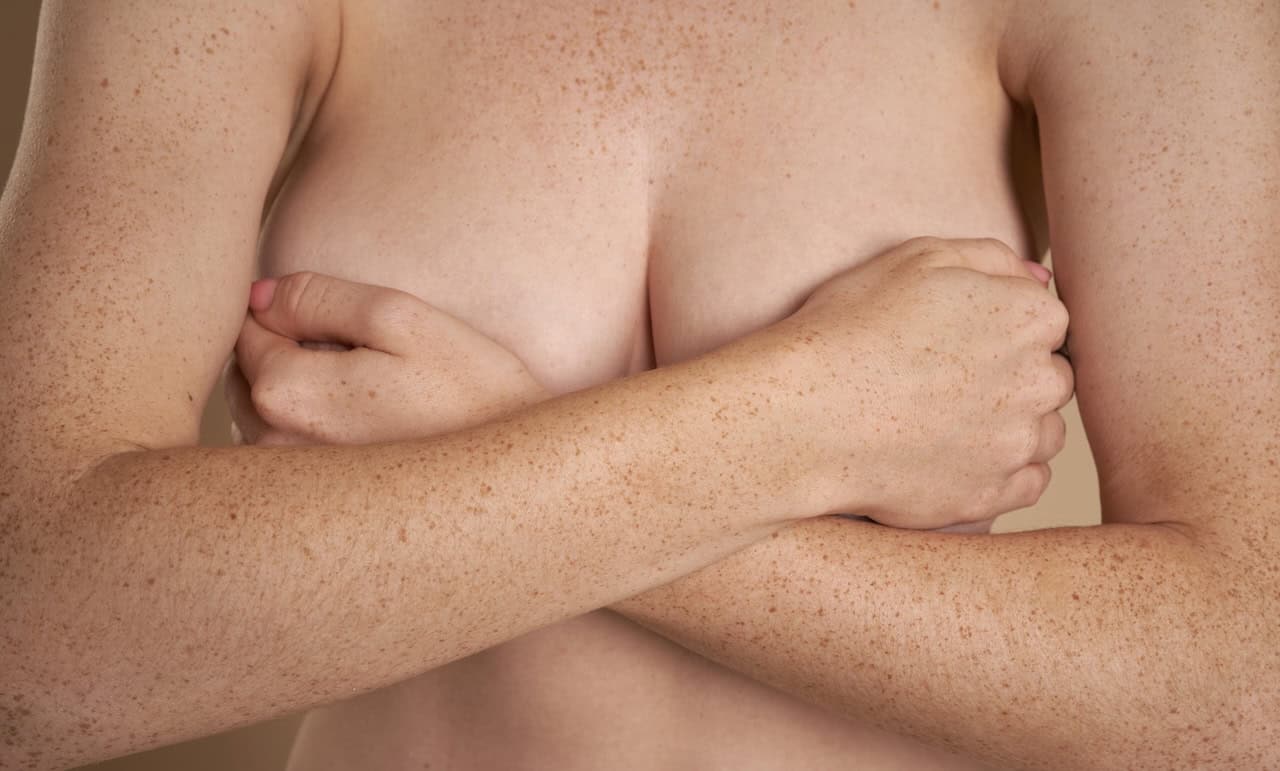
Breast reduction scars: what to expect
Scarring is one of the most common concerns patients have when considering breast reduction surgery.
The truth is that every breast reduction leaves some degree of scarring. But with the right technique, proper placement, and good post-op care, most scars fade significantly and become easy to conceal.
This overview covers everything you need to know about breast reduction scars, from where they’re located and how they heal to what you can do to help them fade over time.
Where will my scars be?
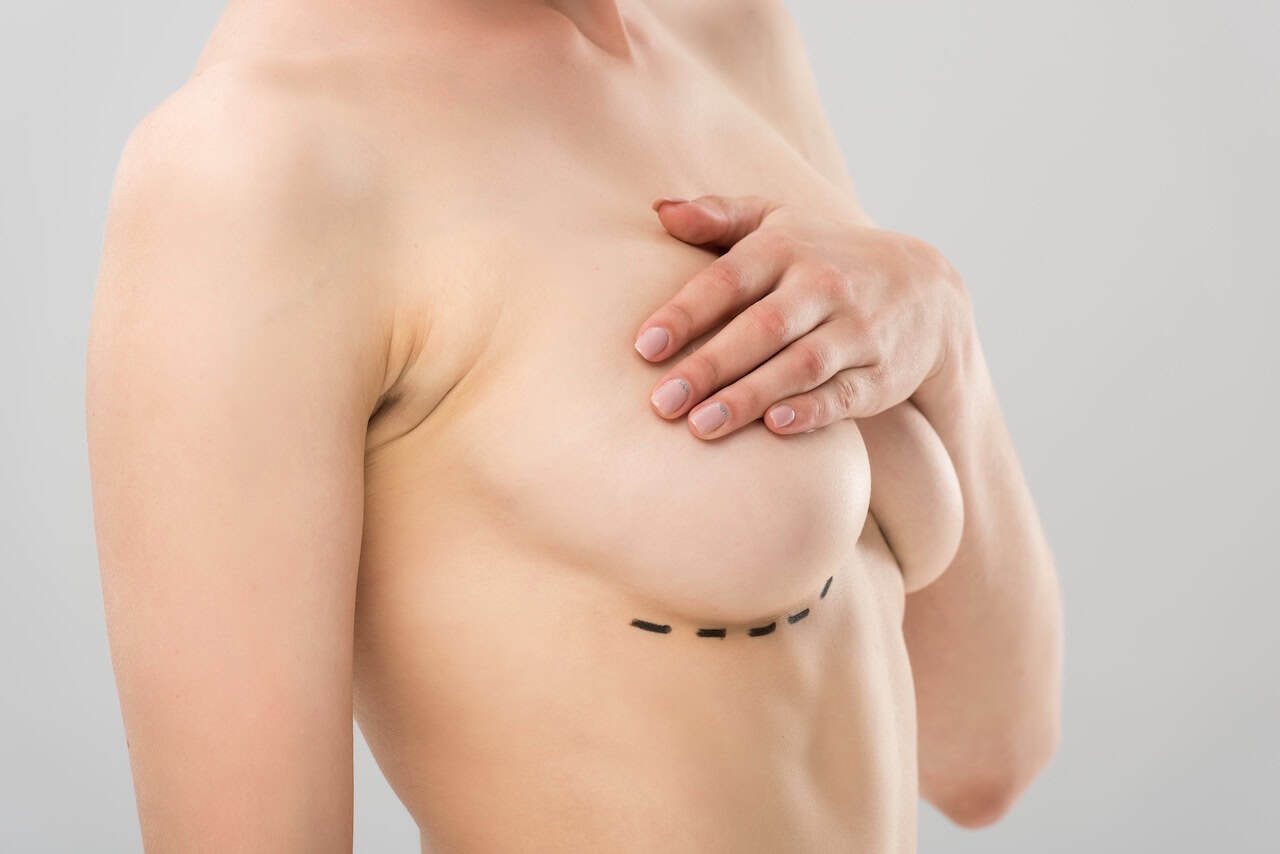
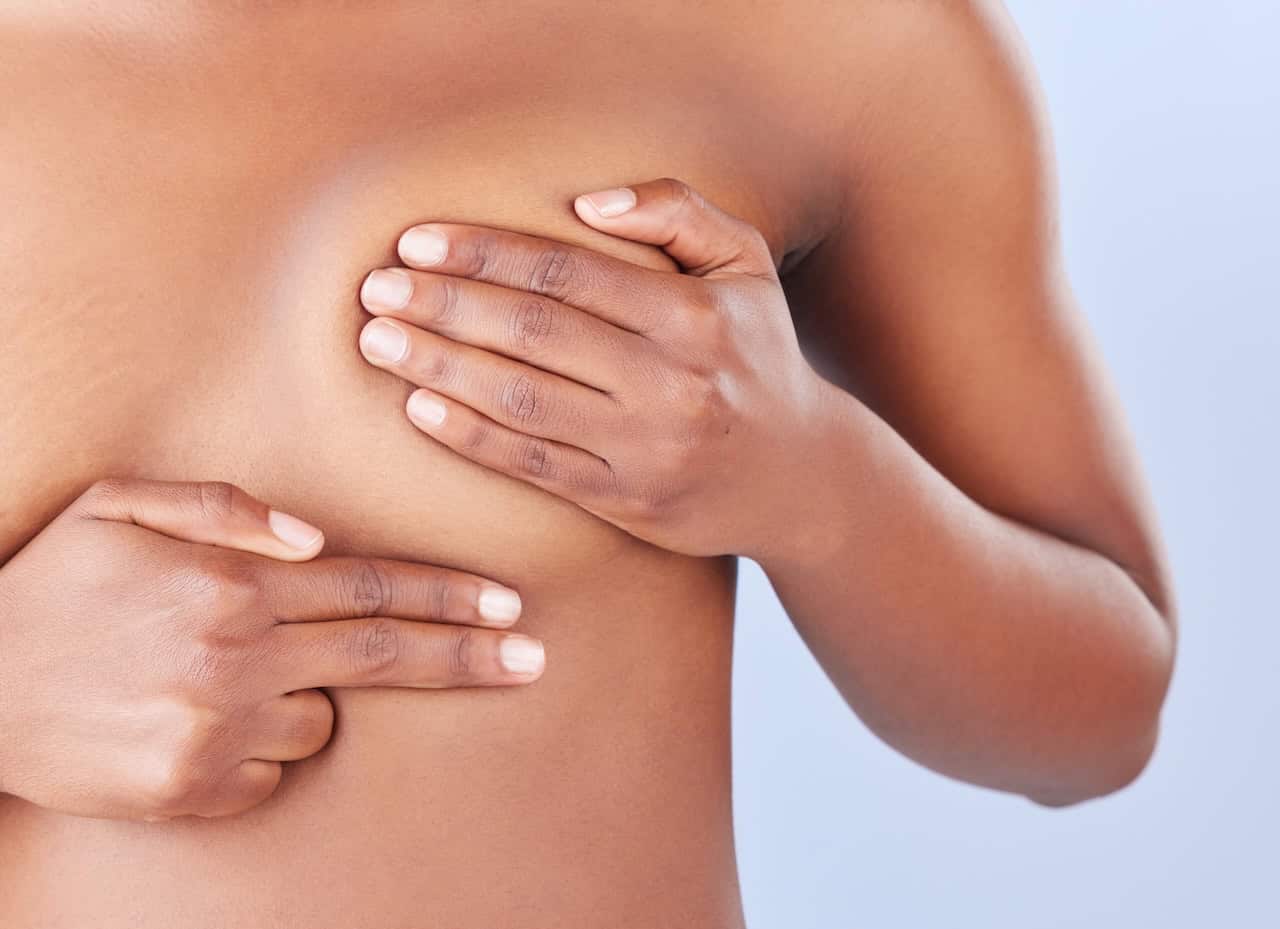
The location and pattern of your scars depend on the technique Dr. Reilly uses. The most common breast reduction technique is the anchor method, which produces three incision lines: one around the areola, one running vertically from the areola to the breast crease, and one along the fold beneath the breast.
Other techniques produce less scarring. The vertical (lollipop) method skips the horizontal incision along the fold. The donut technique leaves only a circular scar around the areola. And liposuction-only reduction leaves virtually no visible scarring at all.
Regardless of the technique, every incision is placed with scar visibility in mind. Most scars are fully hidden beneath bras, swimwear, and everyday clothing.
How scars heal over time
Breast reduction scars go through several distinct phases as they heal. With time and proper care, they improve dramatically.
Weeks 1 to 6
Initial healingYour incisions will be covered by surgical tape or dressings. Once removed, the scars will appear red and raised. This is all normal healing and will resolve.
Months 2 to 6
Scar maturation beginsThe color of your scars will start to shift from red or pink to a darker tone before gradually fading. Scars will begin to flatten and soften.
Months 6 to 12
Significant fadingYou’ll see the most noticeable improvement during this window. Scars continue to flatten, lighten, and blend with the surrounding skin.
12 months and beyond
Final appearanceBy the one-year mark, most scars have settled into thin, flat lines that are significantly lighter than their early appearance. Subtle improvements can continue for another year or more.
What you can do to help your scars heal
Your scar care routine plays a major role in how your scars look over time. The Connecticut Breast Reduction Center team will give you detailed post-op instructions, but here are the key things every patient should focus on.
Silicone is the gold standard for scar care. It hydrates the skin, reduces collagen overproduction, and helps scars flatten and fade. Start about three to four weeks after surgery and use consistently for several months.
Once your incisions are fully closed, gentle massage can help break down scar tissue, improve blood flow, and keep scars soft and flat. Use your fingertips in small circular motions for a few minutes each day.
UV exposure can darken scars and cause permanent discoloration. Keep your scars covered or apply sunscreen with SPF 30 or higher for at least the first year after surgery.
A supportive surgical or sports bra reduces tension on your incisions and helps your breasts heal in the right position. Most patients wear one around the clock for at least six weeks. Avoid underwire during this time.
Heavy lifting, reaching overhead, and vigorous exercise can pull on your incisions and stretch your scars. Follow the Connecticut Breast Reduction Center activity restrictions carefully during the first several weeks.
Once your incisions are healed, keep the skin soft and hydrated to support the healing process. Use a gentle, fragrance-free moisturizer or a product recommended by our team.
Common questions about breast reduction scars
Here are a few of the questions patients ask most about scarring after breast reduction.
Have questions about scarring?
Dr. Reilly can walk you through what to expect based on your body, your skin, and the technique he recommends. Schedule a consultation to get answers specific to you.
Get in Touch!
Do you have questions, or are you ready for a consultation? Fill out the form, and our team will reach out to schedule your visit.