

Do Breast Reduction Scars Fade Over Time?
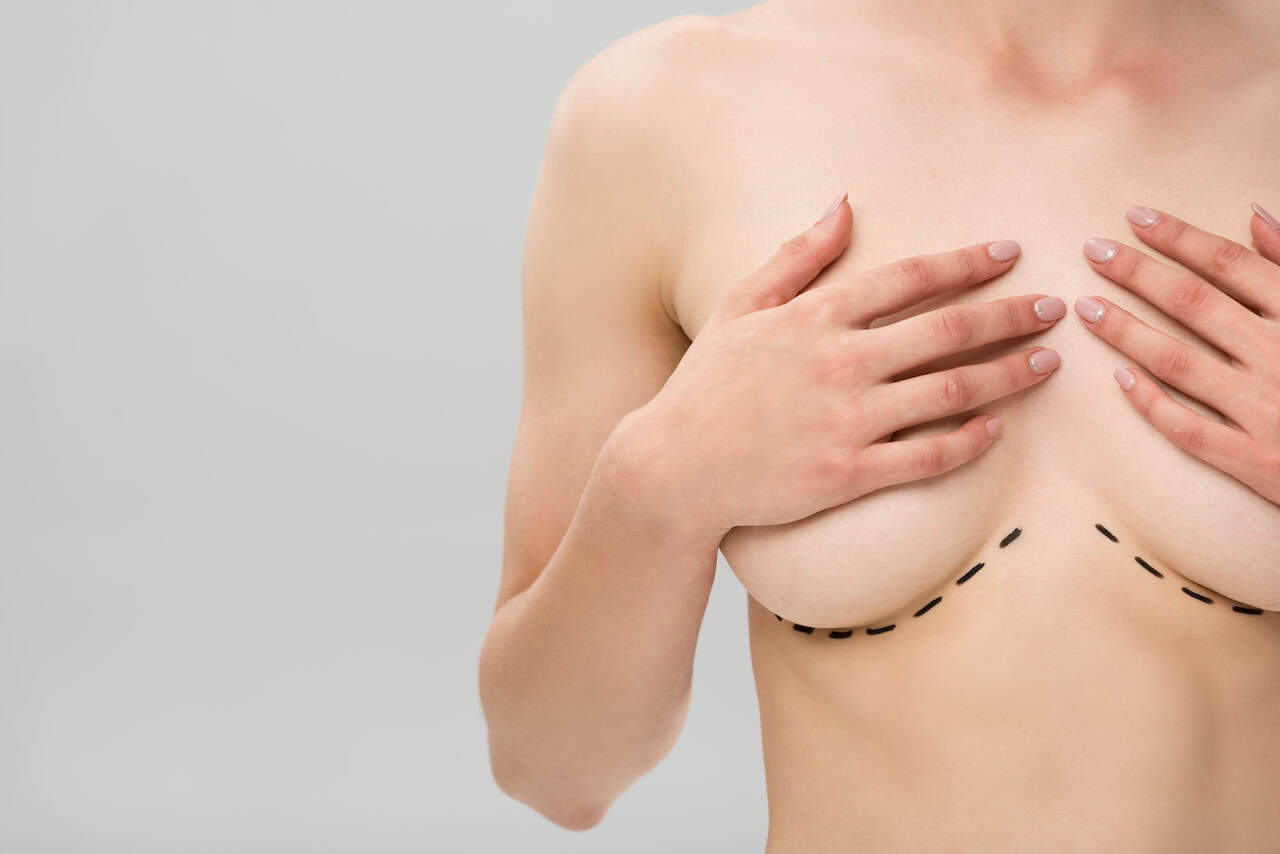
If you are considering breast reduction surgery or you recently underwent the procedure, you may feel curious or concerned about post-surgical scars. At the Connecticut Breast Reduction Center, our surgical team knows that questions about long-term appearance and healing are among the most common and important ones you might have.
Scarring always accompanies breast reduction, but the journey from pink lines to fading marks is unique for each individual. Learning what to expect and how scars evolve helps you plan confidently and make informed decisions about your care.
In this article, we will explain everything you should know about whether breast reduction scars fade over time, how scar care works, and what you can realistically expect.
Key Takeaways
What Causes Breast Reduction Scars
Breast reduction surgery, also called reduction mammoplasty, involves removing excess breast tissue, fat, and skin to achieve improved breast shape and comfort. Incisions create scars as part of the normal healing process.
Scars form at the locations where our surgeon places incisions to access underlying tissue. In most cases, this includes a circular incision around the areola and a vertical incision down to the breast crease. Sometimes an additional horizontal incision along the crease is needed for greater reduction.
Small blood vessels, collagen, and new skin cells knit back together as the incisions close. This repairing activity causes initial thickening and darkening of the breast reduction scar, which softens and fades as healing progresses.
Not every person heals in the same way, though. Several variables explain why scars may appear differently from one person to another or even from breast to breast.
Types and Patterns of Breast Reduction Scars
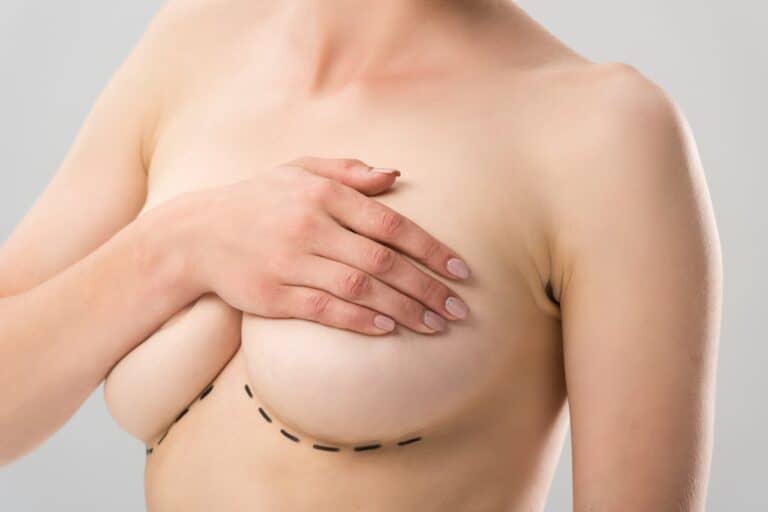
Our surgeon uses incisions that serve specific medical and cosmetic purposes. Each breast reduction technique leaves a different shape of scar, and knowing what to expect helps you feel more confident about your results.
Anchor or Inverted-T Scar
This technique is the most common for moderate to large reductions. You will see a scar encircling the areola, running vertically down from the nipple to the breast fold, and then horizontally along the crease beneath the breast. While it can appear prominent early in recovery, much of this scar remains hidden in natural seams.
Vertical or “Lollipop” Scar
Many individuals with less tissue removal qualify for a vertical pattern. This includes scarring only around the areola and vertically from the nipple to the breast fold. The vertical line tends to become less visible over time, especially with proper aftercare.
Circumareolar Scar
This pattern, used for small reductions or specific adjustments, limits the incision to the border of the areola alone. Scar blending is often successful in this location, where color changes are less noticeable as healing progresses.
With all three approaches, scar location and length depend on your anatomy and surgical plan. Our doctor always prioritizes minimizing visible scarring while still achieving your desired results.
Healing Journey: How Scars Change Over Time
Understanding the timeline and phases of healing helps you set realistic expectations for your breast reduction recovery and long-term results.
The First Few Weeks After Surgery
During the initial days and weeks, new scars often appear red, pink, or purple. Swelling and slight firmness at the incision site are common. Scabs may form as the surface tissues seal.
Several Months Post-Surgery
Over three to six months, scars continue maturing. They may feel thicker or raised during this stage, which is normal as collagen production peaks. The color gradually shifts from red to lighter pink.
One Year and Beyond
Within one year, and often by 18 months, scars soften, flatten, and become progressively lighter. For most individuals, the final result is a thin, pale line, which usually rests unnoticed under clothing or swimsuits.
If scars remain dark, raised, or uncomfortable after this point, advanced scar treatments become options for further improvement. Regular check-ins with our Connecticut office keep your healing on track, and our surgeon can intervene if concerns arise.
Factors That Affect Whether Scars Fade
No two bodies heal in exactly the same way. Many factors decide how quickly and completely your breast reduction scars fade.
Here are the main reasons some scars fade more readily:
- Skin Type and Color: Lighter complexions often develop thinner, less pigmented scars, while darker skin tones sometimes show more stubborn pigmentation or texture changes.
- Genetics: Genetic makeup controls how your body produces collagen and heals wounds. Family patterns can give you clues about your scarring tendencies.
- Age: Younger skin generally heals faster and with more elastic tissue, yielding finer scars. However, some younger patients form more visible scars while healing.
- Surgical Technique: Experienced surgeons use careful incision placement, precise closure, and gentle handling of tissue, all of which reduce the risk of wide or thickened scars.
- Postoperative Care: Proper wound care, scar massage, and adherence to our instructions encourage optimal healing and minimize long-term scar prominence.
- Lifestyle Habits: Habits such as smoking, poor nutrition, and sun exposure can prolong inflammation and darken scars.
- Infection or Delayed Healing: Complications such as infection, split stitches, or healing delays may cause widened or darker scars that resist fading.
Understanding these influences prepares you to both set reasonable expectations and take action to support better results.
Effective Scar Care Strategies After Breast Reduction
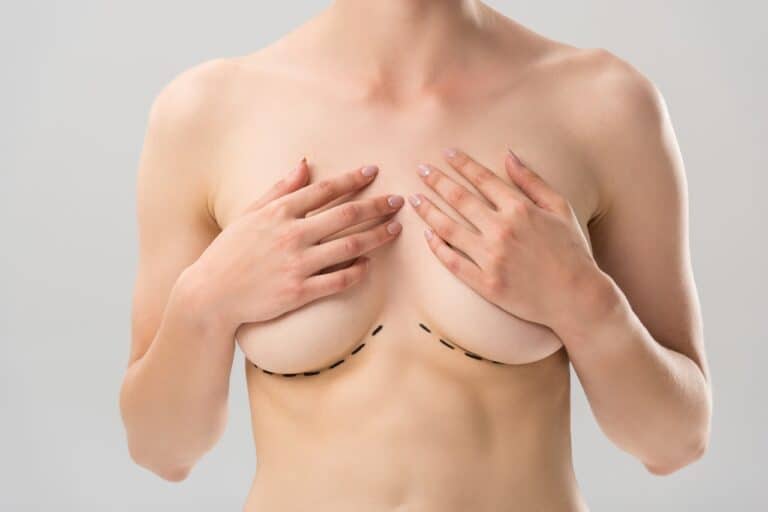
The way you care for scars after breast reduction surgery makes a significant difference in how they mature and fade. Our surgical team provides clear, step-by-step instructions for every recovery stage.
Scar Care Basics
Clean the incision lines gently with mild soap and water after our doctor says it is safe. Avoid harsh scrubbing, and do not pick at scabs.
Apply prescribed ointments or silicone-based gels as directed. These products create a moist, protected environment, which supports efficient skin repair.
Use fragrance-free moisturizers once the skin seals. Hydration encourages flexibility in new scar tissue.
Importance of Sun Protection
Sun exposure can darken scars and create permanent pigmentation changes. We recommend keeping incisions covered with soft clothing when outdoors for the first year. If exposure cannot be avoided, apply a broad-spectrum sunscreen of SPF 30 or higher after complete healing.
Scar Massage
Once cleared by our surgeon, gentle scar massage improves blood flow and softens stiff tissues. Use slow, circular motions with clean hands and mild lotion. Daily massage over several months helps improve the look and feel of the scar.
Staying Active and Healthy
Eat a balanced diet rich in protein and vitamins to fuel skin renewal. Avoid smoking, which restricts blood flow and delays all wound healing, including scars.
Following these steps helps your scars heal beautifully and minimizes their long-term visibility. If you have concerns about redness, tenderness, or thickness, notify our office for prompt guidance.
Medical Treatments for Stubborn Scars
Sometimes, despite the best aftercare, scars remain more visible than you hoped. Our team at the Connecticut Breast Reduction Center offers advanced therapies to target persistent or bothersome scars.
Common Options for Scar Improvement
Several medical treatments are safe and effective for difficult scars:
- Silicone Sheets or Gels: Daily application of silicone products hydrates and shields scar tissue, often flattening and softening the area over several months.
- Steroid Injections: Corticosteroid injections reduce inflammation and thickness, especially if a raised (hypertrophic) or keloid scar has developed.
- Laser Therapy: Gentle laser sessions minimize pigment, smooth texture, and stimulate new collagen, which helps blend scars with the surrounding skin.
- Microneedling: Small needles stimulate healing and improve texture in resistant scar tissue.
Effective treatment depends on your skin type, scar maturity, and overall health. Our doctor will discuss the pros and cons of each approach at your follow-up visits, ensuring the plan matches your unique needs.
Misconceptions About Breast Reduction Scars
Many people searching for information about breast reduction scars come across myths that add unnecessary worry or confusion. Clearing up common misunderstandings supports better decision-making.
“Scars Disappear Completely After Surgery”
Scars never vanish entirely. They do, however, become far less noticeable for most people with good healing and consistent care. The goal is a flat, soft line that blends well, which is achievable for the majority.
“All Scars Are Permanent and Unchangeable”
Scar appearance does not always stay the same. Scars benefit from ongoing healing for up to two years, and many of the most effective treatments can help long after surgery.
“Only Fair Skin Heals With Light Scars”
People with darker or medium skin tones can achieve subtle, flat scars, especially when following expert aftercare guidance. Our team tailors advice to your unique skin characteristics for the best results.
By understanding the facts and setting expectations, you empower yourself to proceed confidently through the scarring process and focus on the benefits of your breast reduction.
When to Seek Help for Scarring Concerns
Although some redness or thickness is normal, certain signs mean it is time to consult our team for extra support.
- Unusual Pain or Swelling: If you experience increasing pain, redness, or heat along the scar, contact our office promptly. Infection can cause scarring to worsen and needs quick care.
- Raised or Widened Scars: If scars thicken, elevate beyond the incision, or pull at the surrounding skin, ask about treatments like steroid injections or silicone therapy.
- Pigment Changes: Dark, persistent pigmentation or rapid color change deserves assessment, especially for those at risk of keloid scars.
Checking in early leads to more effective solutions and prevents small issues from becoming long-term concerns. Our surgeon wants you to feel confident and reassured at every stage.
What Most People Experience
Each person experiences scar fading and texture changes in a unique way, but a few patterns emerge for the majority.
Within the first few months, scars appear prominent but start softening and fading steadily. By 12 to 18 months, most patients find that scars shrink to fine lines and take on the color of the surrounding skin.
For many, scars hide well under clothing, bras, and swimwear. Most people feel very satisfied with their results and consider the scarring a worthwhile trade-off for improved comfort and confidence.
However, permanent scars remain, even though they typically continue growing less obvious in the years that follow. Being patient and attentive during recovery makes the healing journey much smoother.
Tips for Supporting Optimal Scar Healing
There are several things you can do from the comfort of your own home to enhance healing and scar fading.
- Hydration: Drink plenty of water and use gentle moisturizers on healed incisions.
- Gentle Movement: Resume exercise only when cleared by our doctor. Too much strain can stretch incisions and worsen scars.
- Regular Follow-up: Attend all scheduled postoperative appointments so our team can monitor your progress and quickly address any issues.
- Avoid Picking: Do not scratch, pick, or irritate your incisions. Healing tissues are fragile and can scar more if disturbed.
- Mind Your Mood: Emotional support and clear expectations reduce anxiety, making recovery feel more manageable and positive.
Combining these tips with professional scar management leads to the very best results.

Questions to Ask About Scarring
Before scheduling breast reduction, ask the right questions to fully understand the risks, expectations, and aftercare specific to scarring.
Some helpful questions for our surgeon might include:
- What incision pattern would best suit my breast size and goals?
- Where will scars be located on my breasts?
- How do my skin type and health history affect my scar risk?
- What steps does the surgical team take to minimize scars?
- What scar care products and routines do you recommend in the weeks and months after surgery?
- What are my options if scars do not fade as expected?
Bringing these topics up during your consultation gives you peace of mind and prepares you for a smooth recovery.
Your Next Steps Toward Great Results
Dealing with scarring is a normal part of breast reduction, but the process rewards patience and consistent attention. Fading and softening occur naturally as your body heals, and most patients enjoy final scars that are both flat and discreet.
By following professional advice and using effective scar care strategies, you give your skin the best possible chance to recover beautifully. Our team at the Connecticut Breast Reduction Center has seen patients heal with great results, and we stand ready to support you with advanced treatment options if scars remain troublesome.
If breast reduction is in your future, the right preparation and an open conversation about scarring will allow you to feel more at ease. If you are recovering and want extra guidance about your scars, reach out to the Connecticut Breast Reduction Center and schedule a personalized consultation. Our experienced staff is always here for your questions, comfort, and peace of mind.