

When You Can Swim After a Breast Reduction

Having breast reduction surgery can bring many changes to your life, from improved comfort to renewed confidence. However, one of the most common questions we hear at the Connecticut Breast Reduction Center is when it is safe to return to swimming after this procedure.
Swimming is excellent exercise and a beloved part of daily routines for many people. That is why knowing exactly when to get back in the pool, lake, or ocean matters so much. You heal better, avoid complications, and secure lasting results when you choose the right timing.
Read on to find out what to expect and how to plan your return to swimming.
Key Takeaways
The Breast Reduction Recovery Process
It helps to know what your body goes through after breast reduction surgery when planning a safe return to swimming. Healing occurs in clear stages, with each phase of recovery after breast reduction being essential to your specific timeline and final aesthetic outcome.
Early Recovery: The First Two Weeks
During the first two weeks, your top priorities are rest, gentle movement, and wound care. You may notice swelling, bruising, and mild discomfort in your chest area. Incisions are usually covered by dressings, and our surgical team will guide you on keeping them clean and protected.
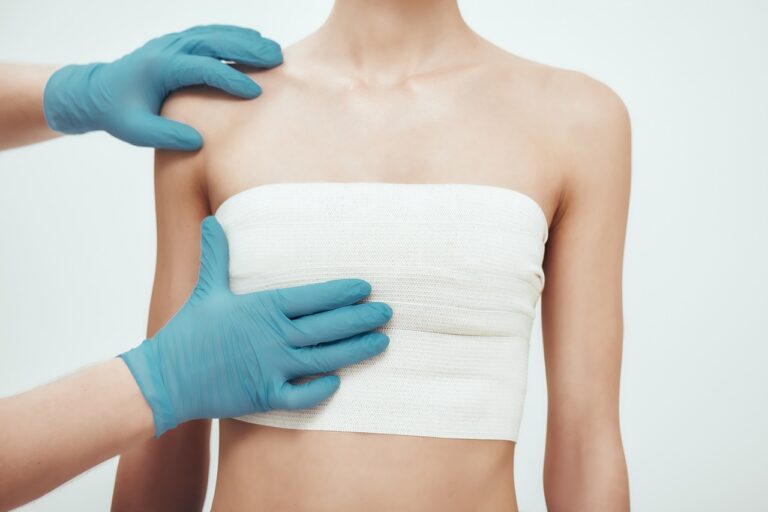
Your surgeon may recommend wearing a supportive surgical bra for comfort and to reduce swelling. You should avoid activities that raise your heart rate or put pressure on your chest. Your incisions are especially vulnerable to infections during this window.
Weeks Three to Four: Gradual Progress
By week three, pain and bruising often improve, but the skin and deeper tissues still heal. Our doctor may allow gentle walking and some light stretching as long as incisions stay dry and intact.
Swimming, whether in a pool, lake, or ocean, remains off limits, as humidity and exposure to water can risk bacterial contamination. Water may loosen scabs before the wound is ready, which could slow the healing process or increase scarring.
Four Weeks and Beyond: Closer to Normal Activity
Around week four, many patients see significant healing of external wounds. You might see swelling subside and incisions start to flatten. Some people notice tingling or numbness, but these sensations improve with time.
Our Connecticut office typically clears most patients for swimming after six weeks, depending on their specific healing progress. Individual factors sometimes mean the window may be a bit shorter or slightly longer.
Returning to the pool too early puts your recovery at risk. If you are unsure, it is always better to wait and consult with our surgical team.
You Need to Wait Before Swimming
Several reasons make swimming unsafe during recovery from breast reduction. Below, you will find a clear overview so you can make informed decisions.
What You Should Know About Infection Risk
Open or partially healed incisions act as entry points for bacteria. Pools, lakes, and oceans contain bacteria and other microorganisms, even when the water looks clean. Entering water before incisions close may cause infection, which can lengthen your recovery and lead to complications.
Our surgeon uses special techniques to close incisions, but wounds still take four to six weeks to fully seal and form a protective barrier. Until this process finishes, swimming can put healing at risk.
How Moisture Affects Healing
Moisture from swimming may soften incision edges or saturate scabs. This increases the chance that wounds could reopen or heal poorly. Some patients may experience delayed healing if they expose their incisions to water too soon, which can also impact scarring.
After a breast reduction, your skin creates new tissue and closes surgical incisions at its own pace. Letting wounds stay dry and protected boosts your chances of seamless healing.
When It Is Safe to Swim Again
Knowing exactly when it is safe to swim after breast reduction is important. Our doctor reviews multiple factors before giving you permission to return to the water.
Signs That Wounds Have Healed
Our surgeon looks for these specific signs before recommending swimming:
- Surgical drains can be removed, and incisions are fully closed and free of scabs and open areas.
- Skin is free from redness, swelling, or warmth that might signal infection.
- There is no pain, tenderness, or unusual sensation at incision sites.
- Swelling and bruising have mostly resolved.
Patients should also feel comfortable moving both arms above their head and across the body without tightness or pulling. This flexibility means scar tissue is maturing well.
Getting Medical Clearance
During your follow-up visits, our team checks your progress and gives detailed, personalized advice. Only after our surgeon confirms that you have healed well should you consider swimming.
Self-assessing wounds has limits, since infections or healing problems can develop quietly. Always wait for an official go-ahead from your doctor. If you plan to swim in open water or in busy public pools, bring it up at your follow-up appointment, since these environments may carry a higher risk.
How Swimming May Affect Healing
Swimming brings up unique concerns after breast reduction surgery. Knowing these points helps you make informed decisions during recovery.
Potential Risks if You Swim Too Early
You could experience several setbacks if you get in the water before healing is complete:
- Infection: Bacteria from pools or lakes may enter partially closed wounds, causing redness, pain, or discharge that slows recovery.
- Prolonged Scarring: Early water exposure can cause scabs to soften and come off before the wound heals, potentially leading to noticeable scars.
- Delayed Healing: Moisture trapped under bandages or swimwear increases the risk that incisions will reopen, creating longer downtime.
- Breast Discomfort: Water pressure, especially during strokes or treading water, may stress freshly healed tissues and cause soreness.
Taking your time and following all guidelines protects your surgical results and long-term comfort. Once it is safe, you can enjoy swimming again without worry.
What to Do Before Your First Swim
Once your surgeon gives you permission to return to the water, a bit of preparation helps you feel confident and comfortable. Here is how to set yourself up for success:
Checklist To Prepare for Swimming After Breast Reduction
Think about each of these steps before diving back into swim activities:
- Inspect Incision Sites: Check scars for any sign of swelling, opening, or irritation before each swim.
- Select Proper Swimwear: Use a swimsuit that provides support without seams that rub on scars. Many patients choose suits with soft, wide straps.
- Start with Short Sessions: Plan your initial swim for a shorter duration, and avoid laps or vigorous strokes until you see how your chest feels.
- Shower After Swimming: Rinse off as soon as you finish, using gentle soap, to remove any chlorine, salt, or bacteria that contact your skin.
- Pat Dry Thoroughly: Dry your incisions with a clean towel and avoid harsh rubbing, which can irritate sensitive scar tissue.
These steps help protect your healing tissue and minimize any risk of problems after swimming. Continue to observe for changes in your skin or scars after pool days.
Tips for a Smooth Return to Swimming
Most people look forward to swimming again after a breast reduction. With a little extra care, the transition feels easier.
Picking the Right Swimwear
Select a swimsuit that feels comfortable and does not irritate recent incision sites. Suits with a built-in bra or extra support work well for many people in the months after surgery. Avoid underwires or tight elastic bands, since these may press on post-breast reduction scars and cause discomfort.
Rinse suits carefully after each use. Pool chemicals and saltwater may cause fabric to lose softness, which increases the chance of skin irritation.
Easing Back into Exercise
Begin swimming at a gentle pace before returning to laps or vigorous training. Sidestroke or gentle backstroke may feel more comfortable than other strokes at first. Aim to keep sessions brief, paying close attention to any new discomfort or tightness as you plan your breast reduction exercise timeline.
If you notice redness, swelling, extra soreness, or any signs of infection after getting back in the water, stop swimming and call our office right away. Early treatment prevents small issues from becoming bigger problems.
What to Watch for After Your First Swim
Returning to swimming should feel exciting and safe. Stay alert for any signs that your body needs extra attention, and know when to contact our team.
Symptoms That Deserve a Closer Look
If any of the following develop after swimming, reach out for medical advice:
- Increased redness or spreading warmth at an incision line.
- New or increased pain in your breast area.
- Yellow, green, or foul-smelling drainage from scars.
- Swelling that does not improve after a day.
- Chills, fever, or flu-like symptoms.
These may be signs of infection or delayed wound healing. Our surgeon can check your progress and recommend the next steps so you continue to recover smoothly.

Factors That Affect Your Swimming Timeline
Every patient heals at their own speed, and no two recoveries are identical. Below are some factors that may make your return to swimming take a little longer or allow you to get back sooner.
Common Factors That Influence Healing
Several key variables shape your personal timeline:
- Personal Healing Response: Some people form strong scars and close wounds quickly, while others require more time.
- Smoking or Nicotine Use: Nicotine slows healing and increases the risk of complications. If you use tobacco, discuss this with our surgeon.
- Existing Medical Conditions: Diabetes, autoimmune illnesses, or poor circulation sometimes extend healing time.
- Size of the Reduction: Larger tissue removal often means longer incisions, which could take longer to heal.
Impact of Medications and Lifestyle Choices
Medications like steroids, blood thinners, or certain anti-inflammatory drugs may slow scar formation. Tell your surgeon about all medications you take so we can make a personalized swimming plan.
A healthy lifestyle, regular gentle movement, hydration, and good nutrition support your body as you heal. Our Connecticut-based team may provide specific nutrition guidance for a smoother recovery.
Frequently Asked Questions About Swimming After Breast Reduction
When planning your return to the water, you may have more questions. Below, you will find answers to some of the most common topics our patients ask about.
Your Next Steps Toward a Safe Recovery
Getting back to swimming after breast reduction marks a big milestone in your recovery. With the right information and careful attention to your body’s healing, you set yourself up for a lifetime of comfort in and out of the water.
Many patients at our Connecticut Breast Reduction Center feel excited to return to their favorite activities, and our team enjoys helping you get there safely. Remember, patience and good wound care build the best foundation for a long-lasting result.
When you are ready to explore breast reduction, need post-operative support, or want clinic-specific guidance about returning to the water, reach out to our team. We invite you to schedule a consultation with the Connecticut Breast Reduction Center, where your comfort and healing truly matter.