
How Tight a Compression Bra Should Be After Surgery
At the Connecticut Breast Reduction Center, comfort and proper healing after breast surgery are always our top priorities. For many patients, one of the first concerns after leaving our office involves the right way to wear a compression bra and how tight it should feel.
Getting this detail right makes a major difference in your recovery. Well-fitted compression can support your healing tissue and help you feel comfortable, while an incorrect fit can cause unnecessary problems. Let’s explore everything you need to know so you feel confident after your procedure.
Key Takeaways
Why Wear Compression Bras After Surgery
After breast surgery, wearing a compression bra plays a key role in both comfort and the medical healing process. Our surgeon prescribes these garments because they offer several specific benefits.
Supporting Healing Tissue
Tissues in the chest can feel tender and vulnerable after surgery. Compression bras hold the breasts and surrounding tissues securely in place, which helps decrease unnecessary strain and reduces movement that can disrupt healing.
Reducing Swelling and Fluid Build-Up
Swelling is almost always present after most breast procedures. By applying gentle, even pressure, compression bras help control fluid build-up. This support speeds up the healing process and keeps you more comfortable.
Minimizing Bruising and Scarring
Consistent pressure can lower bruising, as it improves blood flow and reduces the size of any pooling. This process helps new incisions heal more smoothly and supports a better appearance of surgical scars.
Providing Psychological Reassurance
A well-fitted compression bra can offer comfort and peace of mind as you recover. Many patients tell us that secure support helps them feel less worried about daily movements affecting their post-surgical results.
How to Determine the Right Tightness
Many breast reduction patients at our practice ask, “How tight should my compression bra feel?” The answer is important, as healing depends on striking just the right balance.
The Goldilocks Principle: The Perfect Fit
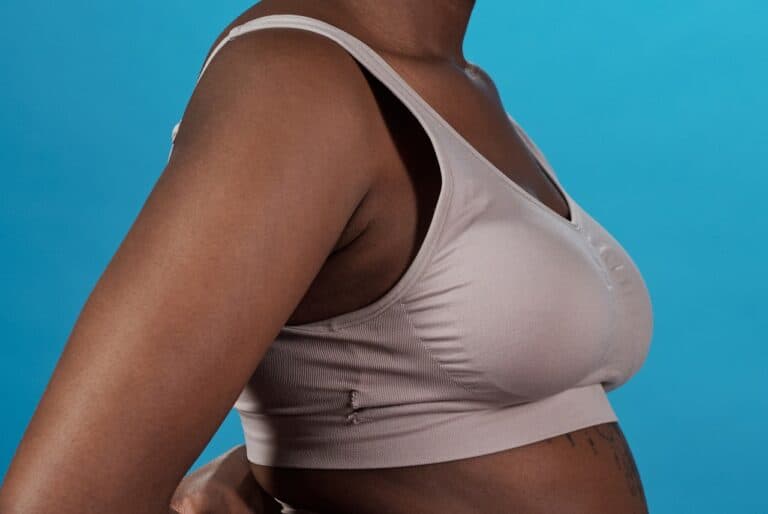
When you put on your compression bra, it should feel snug against your skin, holding everything gently in place. The bra must not squeeze so much that you experience pain, tingling, numbness, or changes in skin color.
You should always be able to take a deep breath comfortably. If you cannot, the bra is likely too tight and can harm your healing tissues. On the other hand, if the garment shifts easily or gaps away from your skin, it is not snug enough to offer support.
Signs Your Compression Bra is Too Tight
Paying close attention to your body’s signals can help you spot fit problems early. These warning signs suggest your compression bra is overly tight:
- Severe pain or aching that does not improve when you shift position.
- Swelling above or below the band that will not resolve.
- Numbness, tingling, or changes in sensation in your arms, chest, or hands.
- Indentations in your skin that last after you remove the garment.
If you experience these issues, remove the garment and contact our office for personalized help.
Signs the Bra is Too Loose
A bra that fits too loosely cannot provide the support your body needs for healing. Some signs to watch for include pronounced breast movement with everyday activities, the band riding up your ribcage, or the shoulder straps falling off.
If you notice these signs, reach out to our team so we can help you adjust or replace the garment right away.
How to Check Your Compression Bra Fit Daily
Checking the fit of your compression bra should become a daily part of your recovery routine. Follow these simple steps to help ensure optimal results.
- Check for Full Coverage: Look for even contact with your skin all around, with no large spaces or areas where the elastic cuts in.
- Assess Comfort: Take a few deep breaths, move your arms gently, and check for pain, pinching, or severe tightness.
- Look at Your Skin: Remove the bra for short periods as recommended, and examine your skin for redness, sores, or unusual marks.
- Watch for Swelling: Compare both sides of your chest and arms for differences in swelling or color.
- Try Gentle Pressure: Slide two fingers under the band. They should fit with slight resistance, but if you feel a lot of pressure or cannot fit your fingers, your bra is likely too tight.
Using these checks will help you catch any developing issues, avoid complications, and stay on track with healing.
Factors Influencing Compression Bra Fit
Several key factors shape how your compression bra fits after surgery at our center in Connecticut. Each one impacts how you should select, wear, and adjust your garment.
Type of Surgery Performed
The specific procedure affects your ideal bra fit. For breast reduction, lift, augmentation, or reconstruction, your surgeon may tailor tightness requirements to match surgical goals and swelling patterns.
Swelling Patterns and Changes
Swelling typically shifts during the recovery process. You may feel snug at first, followed by a loosening sensation a few days later as swelling resolves. You should expect to adjust your fit or move to a different size if necessary.
Body Shape and Breast Size
Your natural body and breast contours dictate which compression design will best match your healing needs. Women with larger breasts or more swelling may require a more noticeable but still comfortable level of tightness.
Garment Design and Fabrics
Each compression bra model can fit differently based on stretch, panel shape, and closure style. Soft, moisture-wicking fabrics usually feel more comfortable on sensitive skin in the first week after surgery.
Our team will take these factors into account when recommending a specific product for your recovery.
Benefits of Proper Compression
Wearing your compression bra at the right tightness confers several important advantages that will support every stage of healing.
Reduced Risk of Complications
By limiting excessive movement and gently controlling swelling, proper compression can lower your risks for hematoma, seroma, and other issues. Our doctor finds this to be especially true for surgeries with larger incisions.
Faster and More Comfortable Healing
A well-fitted garment helps new tissue knit together efficiently, which often means less discomfort, a shorter overall recovery process, and a safer path back to your routine activities after breast reduction.
Better Cosmetic Results
Compression supports your breast tissue as it settles, preserving your surgical outcome and improving symmetry. This process can also minimize the appearance of scars.
Our surgical team at the Connecticut Breast Reduction Center makes garment recommendations with these benefits in mind, always aiming for the best healing experience possible.
Compression Bra Wear Timeline
Most patients feel eager to transition back to their usual wardrobe after breast procedures. Although timelines vary with the surgery and your healing response, our surgeon offers these typical timeframes.
- First Phase (Around-the-Clock Wear): Almost all patients wear their compression bra 24 hours a day, except during short breaks for bathing, for at least one to two weeks. This phase ensures total, even support during the most fragile days.
- Second Phase (Daytime Support): For the next few weeks, some patients may only need their garments during the day, as night swelling improves and healing tissue regains strength.
- Ongoing Use: For activities or settings where extra protection feels necessary, such as gentle exercise or returning to work, you may wish to wear your compression bra beyond the standard healing window.
Always rely on your personal surgical team’s advice. If our Connecticut office recommends continuing or modifying your garment use, follow that plan for optimal outcomes.
Mistakes to Avoid With Compression Bras
Several missteps can slow recovery or actually cause harm if you do not address them quickly. To steer clear of issues, learn to avoid these common mistakes with your compression bra:
- Overtightening: Some patients believe tighter is better, but excessive pressure will not enhance results and can cause tissue damage or delay recovery.
- Wearing the Wrong Size: Bra choice matters. Using a standard off-the-rack garment or skipping measurement with our team can mean poor fit and decreased support.
- Ignoring Early Warning Signs: If you notice itching, severe redness, blisters, or shifts in swelling, take these as warnings. Do not leave the bra on without seeking help.
- Using Unsuitable Styles: Sports bras or padded bras designed for non-surgical use do not provide the correct compression pattern and security needed during healing.
- Letting the Bra Ride Up: Adjust the band and straps as swelling changes. Any constant rolling or riding means the fit is off and can irritate your skin.
Taking these missteps seriously will help speed your healing and keep you comfortable in the critical days following breast surgery.
Compression Bra: Comfort & Care Tips
Proper use does more than boost healing. It contributes to each patient’s comfort and emotional well-being during recovery. Here’s how you can stay comfortable and keep your garment in the best condition possible.
Choose the Right Clothing Layers
Opt for soft, breathable materials underneath your compression bra to reduce irritation. Avoid lace, seams, or synthetic blends that can rub sensitive areas.
Keep Up With Cleaning
Gently hand-wash your compression bra with mild detergent and cool water. Dry flat to maintain the fabric’s elastic properties.
Protect Your Skin
Use gentle, fragrance-free moisturizers on skin not covered by the bra. Avoid applying lotions or creams directly under the fabric, as this can lead to irritation.
Monitor for Signs of Infection
Check for increased redness, warmth, or any leaking fluid around your incisions. If you notice these changes, let our surgeon know quickly.
Staying proactive with self-care gives you the best chance of both comfort and excellent results from your breast surgery.
Common Questions About Compression Bra Fit After Surgery
Patients at the Connecticut Breast Reduction Center often arrive with similar concerns. Here are answers to some of the most common questions about compression bra fit after surgery.
Post-Surgery Results & Comfort Care
Knowing how tight your compression bra should be after surgery takes the guesswork out of a very personal part of your recovery. Our surgeon at the Connecticut Breast Reduction Center always aims to make you feel secure, supported, and as comfortable as possible throughout the healing process.
Clear support from a well-fitted compression bra protects your results, controls swelling, and can ease your peace of mind as you recover. Paying attention to your body’s signals and adjusting fit with guidance from our team will give your surgical results the best chance to shine.
If you have more questions about compression bras, breast surgery recovery, or any step in your healing process, our team is always happy to help. Schedule your post-surgery visit or a new consultation today. Reaching out to us is the best way to ensure you get the guidance and care you deserve for every step of your journey.