

How to Shower After a Breast Reduction

Breast reduction can be a life-changing procedure, offering relief and renewed confidence. The days and weeks that follow surgery may feel overwhelming, especially when it comes to everyday activities like showering. At the Connecticut Breast Reduction Center, we hear many questions about this topic, and our team wants you to feel comfortable and safe at every step.
Proper showering after breast reduction plays an important role in your healing. Clear adherence to a few key guidelines safeguards your surgical results and minimizes your risk of post-op complications. This article explains what to expect, why your routine matters, and how to adjust your showers for a smooth recovery.
Key Takeaways
The Early Recovery Phase: What to Expect
You will need to pay close attention to your body’s signals in the first days after surgery. This period lays the foundation for a smooth and healthy breast reduction healing process.
How Your Body Responds to Surgery
Most patients feel groggy, swollen, and sore within the first 48 to 72 hours after surgery. You may see surgical tapes or Steri-Strips covering your incisions, and sometimes a small drain helps remove fluid.
Pain, tenderness, and swelling are common around the breasts and upper chest. Your activity will be limited, and you should avoid raising your arms high or making sudden movements that pull on the skin.
Bathing Restrictions During the First Week
At our Connecticut office, we recommend avoiding any water on your chest area until you receive the go-ahead from our doctor. This helps prevent bacteria from reaching the incisions and lets them form a good seal.
Most of the time, you can carefully sponge bathe your face, underarms, or lower body if needed, but keep the chest dry. The first follow-up appointment usually takes place within three to five days, at which point our surgeon checks the incisions to make sure you can safely begin gentle showering.
Preparing for Your First Post-Surgery Shower
Planning your first shower after breast reduction helps reduce stress and promotes a careful approach to healing. Take a few simple steps before stepping into the water.
Gather the Right Supplies
You will need:
- Soft, clean towels
- Mild, fragrance-free soap or cleanser
- A gentle washcloth or soft sponge
- Fresh gauze pads (if your doctor recommends them)
- Waterproof covers or plastic wrap (if you have drains or want extra protection over surgical tapes)
Arrange these items within easy reach before you begin.
Set Up a Safe Showering Environment
Ask for help if possible. Having a family member close by (but outside the bathroom) can ease nerves, especially if you feel dizzy or weak.
Make sure the shower floor is dry and place a non-slip mat if you have one. Use a stool or chair in the shower if standing feels challenging during the early days.
Keep your phone within reach or let someone know you are about to shower so they can check in if needed.
Step-by-Step Guide: Showering After Breast Reduction
The method for your first shower will feel different from your usual routine. By following these steps, you can keep your incisions safe and clean.
What to Do During Your Shower
- Start with Lukewarm Water: Hot water can increase swelling. Keep the temperature warm but not too hot, and direct the spray gently.
- Face Away from the Water: Stand with your back to the showerhead. This positions your incisions away from direct spray, reducing irritation.
- Gently Clean the Rest of Your Body: Always avoid the breast area at first. Clean your arms, back, and lower body using a gentle soap and washcloth.
- Protect Bandages and Tapes: If your incisions have been covered, do not remove or scrub the bandages unless your surgeon instructs you. Water may flow lightly over the area, but avoid any soaking.
- Pat Dry Immediately: Step out of the shower and carefully pat your skin dry with a fresh towel. Do not rub your chest or incisions.
- Reapply Dressings if Needed: If dressings become wet or loose, replace them with fresh, sterile coverings as directed by our team.
Following this process will help you keep your breast area safe and lower the risk of infection. If you have drains, our Connecticut office will give you special directions for covering and cleaning them.
How Incision Care Fits Into Your Routine
Protecting your incision sites remains a priority for the first few weeks. Every action you take during showering should keep the surgical area clean and dry.
Dealing with Surgical Dressings and Adhesives
Our surgical team often applies Steri-Strips that remain in place for 7 to 14 days. These strips help support the incision as it heals. Do not try to remove them during showering. Instead, allow water to run gently over the area, then pat dry.
If your incisions use surgical glue, showering will not harm the area once our surgeon approves it. Avoid picking at the adhesive, and let it peel away naturally over time.
Caring for Surgical Drains
Some patients go home with small drains at the breast reduction incision site. Our nurse explains exactly how and when to empty the reservoir.
In the shower, you can secure drains with waterproof tape or a specialized pouch that hangs around your neck. Always keep the area as dry as possible and follow your wound care instructions for cleaning and emptying.

Signs to Watch for After Showering
Your skin heals best when it remains clean, dry, and free from bacteria or irritation. Pay close attention to changes after each shower.
Watch for These Warning Signs
- Redness or warmth: This can be an early signal of infection, especially if the area grows more tender or hot each day.
- Swelling or firmness: Some swelling is normal, but sudden or severe changes suggest a problem.
- Foul-smelling or colored drainage: Yellow, green, or thick discharge needs quick medical attention.
- Gapping wounds or bleeding: Any split or open incision, or bleeding that does not stop, deserves a call to our office.
Let our Connecticut office know right away if you see these symptoms. Early treatment reduces complications and keeps your recovery on track.
Tips for Comfort and Safety in the Shower
Getting clean after surgery does not need to cause stress. By following a few helpful strategies, you can protect your healing incisions and feel confident at every stage.
Helpful Tips for Showering During Recovery
Many patients ask how to feel steady and avoid problems while showering after breast reduction. Here are some practical ways to stay safe.
- Limit Shower Time: Plan for short showers of 5 to 10 minutes. Long exposure increases the risk of moisture getting trapped in the incisions.
- Avoid Strong Water Pressure: Adjust the showerhead for a soft, gentle spray, and never use a massage or pulsating setting.
- Stay Seated if Needed: Place a clean stool or bench in the shower if standing feels difficult. This lowers your risk of falls.
- Keep Bathroom Warm: Lower temperatures or drafts can lead to shivering, which can strain incisions. Make sure the room feels comfortable before you undress.
- Use Unscented Soap: Strong fragrances can irritate your skin, especially near an incision site. Pick mild, non-irritating products.
Sticking to these tips supports healing and reduces the chance of new irritation or injury as your body recovers.
What to Avoid After Breast Reduction Surgery
Certain activities and habits can interfere with proper healing. Stay cautious and protect your results by following your surgeon’s instructions.
Activities to Postpone
Avoid these behaviors until your doctor clears you:
- Soaking in bathtubs or hot tubs. Submersion increases risk of infection.
- Swimming after breast reduction, including pools, lakes, or oceans, as chemical exposure or bacteria can easily enter a fresh incision.
- Applying lotions, powders, or deodorants near your incisions. Wait until the skin is fully healed to lower the risk of irritation.
- Using harsh or abrasive washcloths or scrubbing with brushes. Gentle care works best during this stage.
You may resume other activities, such as light walking, as our surgical team recommends. If you have questions about introducing new elements to your routine, contact us for guidance.
The Role of Follow-Up Care
Your post-operative visits play a vital role in safe recovery after breast reduction. Our staff shares custom guidance for every patient at each step.
What to Expect at Follow-Up Appointments
Our team schedules your first checkup usually within three to five days after surgery. We examine your incision sites, adjust or remove dressings, and answer your questions about bathing.
At additional follow-ups, our surgeon looks for signs of strong healing, listens to any concerns, and updates your care plan. These visits help us decide when you can return to your normal shower schedule or start different personal care products.
Frequent visits provide peace of mind and ensure that you heal in the safest way possible.
When Full Showering and Bathing Return
Most patients may shower more freely after the first week, once incisions seal and our doctor approves. Bathing in tubs, pools, or soaking in water usually waits until at least four weeks after surgery. Every patient heals at a different rate, so ask our team before restarting these activities.
When to Call the Office
Problems after breast reduction surgery can develop quickly, but early action helps prevent bigger issues. Watch your body closely during recovery.
Know When to Seek Medical Attention
Call the Connecticut Breast Reduction Center right away if:
- You notice spreading redness or streaking from the incision.
- Your incisions open or begin bleeding again.
- Fever, chills, or other signs of illness develop.
- You experience severe, unusual pain that does not improve with routine medication.
A quick response helps keep your recovery on track and safeguards your health.
Frequently Asked Questions About Showering After Breast Reduction
Many patients feel nervous or unsure about caring for themselves during recovery. These answers can bring some clarity to common concerns.
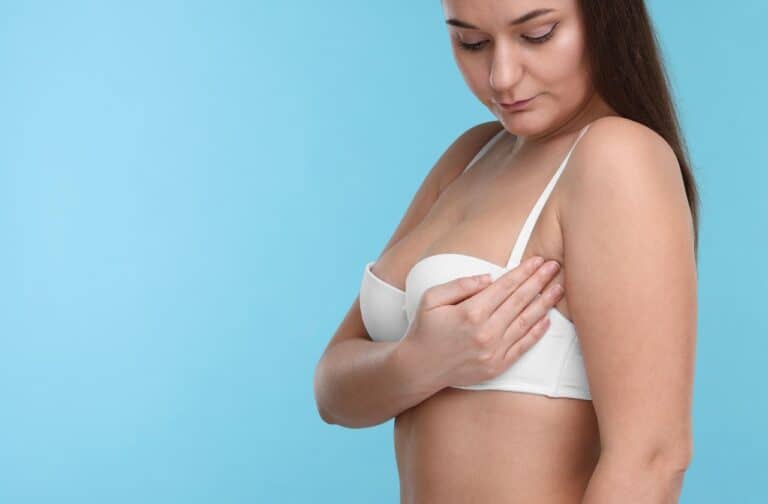
Support for a Smooth Recovery: Connect With Our Team
Safe showering after breast reduction matters for your comfort and long-term results. When you take small steps each day and pay attention to your body’s signals, you protect your new shape and lower your risk of infection.
Our team at the Connecticut Breast Reduction Center provides personalized instructions for every part of your post-surgery care. We encourage you to bring any questions about bathing, skin care, or incision maintenance to our staff during visits.
If you have an upcoming breast reduction or need support during healing, reach out to our Connecticut office. Schedule a consultation or follow-up to learn more about caring for yourself and achieving a comfortable recovery. Our team is always here to help you feel confident and prepared.